
We created belief...
by giving women and clinicians the confidence to talk about HIV prevention without stigma
Changing the script
Women deserve better conversations about HIV. But they’re often met with language that’s clinical, outdated, or far from the realities they live every day. And when the words are wrong, the message misses. Women get overlooked. Experiences get dismissed. People miss out on awareness and progress stalls.
We set out to change the script. To raise awareness of why HIV prevention matters for women without centring risk, ensuring their experiences are recognised rather than dismissed.
From risk to reasons
We started with the people closest to the conversation. Clinicians, advocates, experts, community voices, researchers and women with lived experience came together to explore what HIV prevention language could, and should, sound like.
The answer was clear: move away from risk. Move towards reasons.
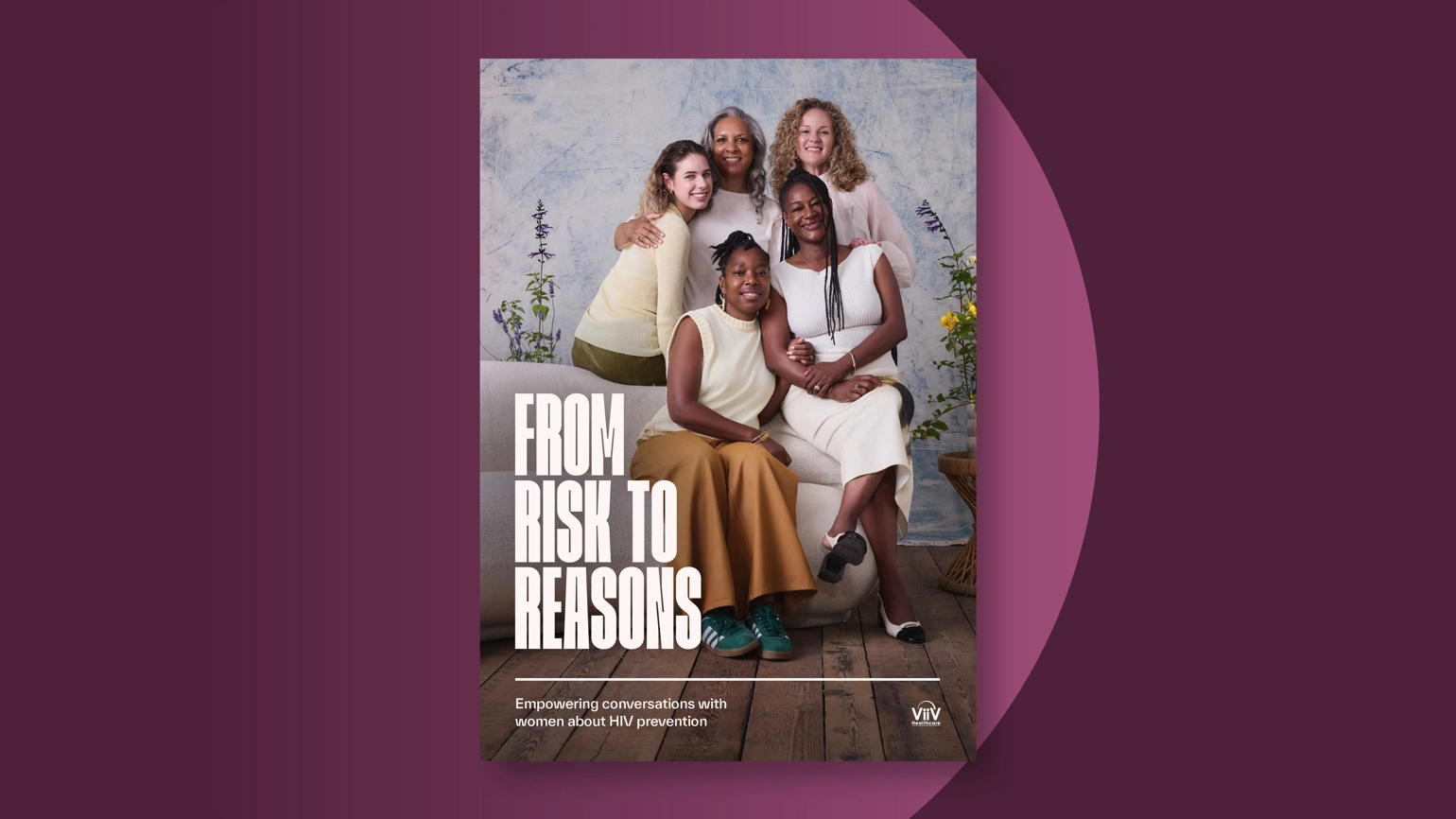
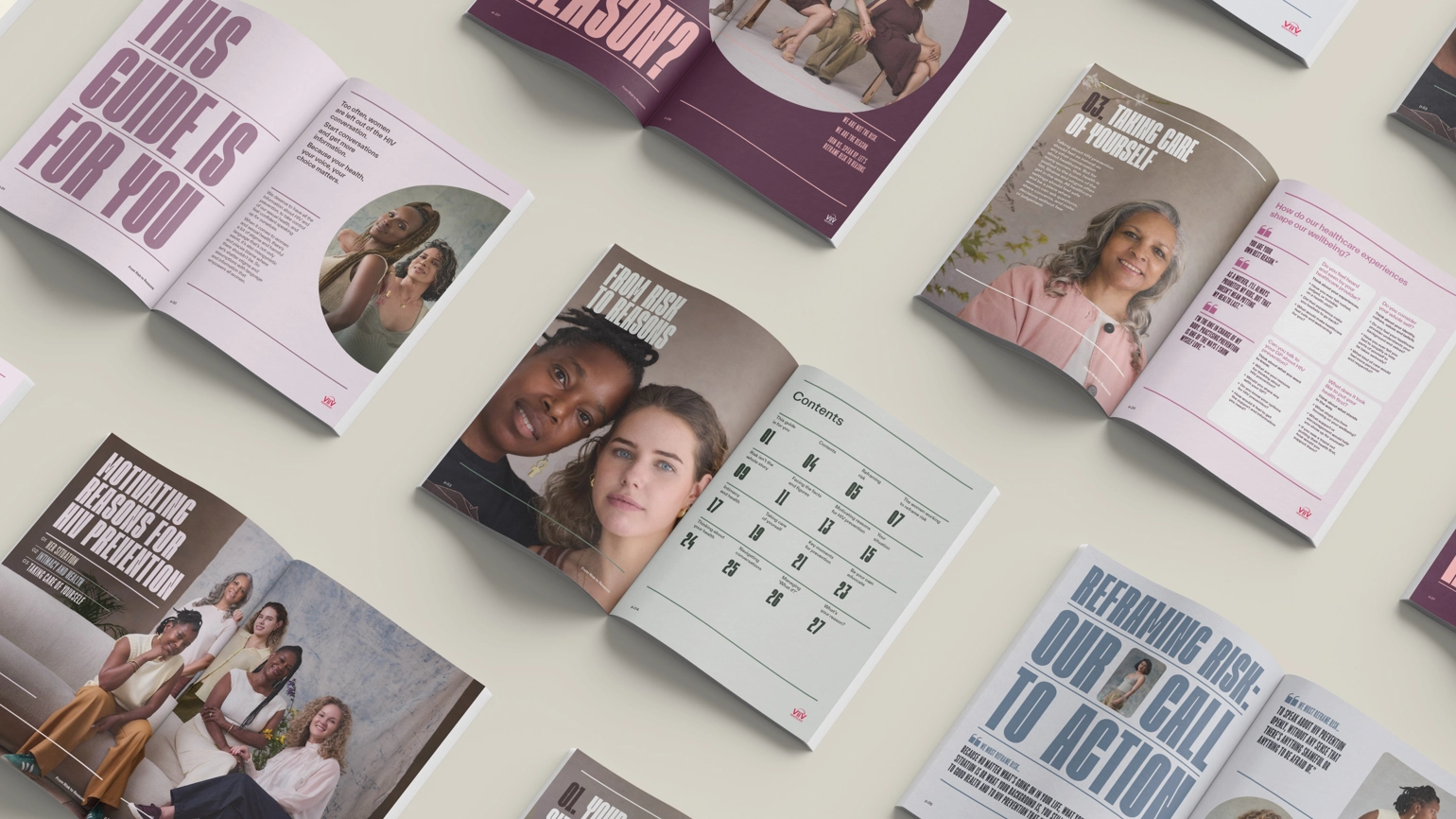
That shift shaped two practical guides: one for women and one for healthcare professionals. No jargon. No judgment. Just inclusive language, empowering imagery, clear prompts and honest questions to help people talk about what really matters.
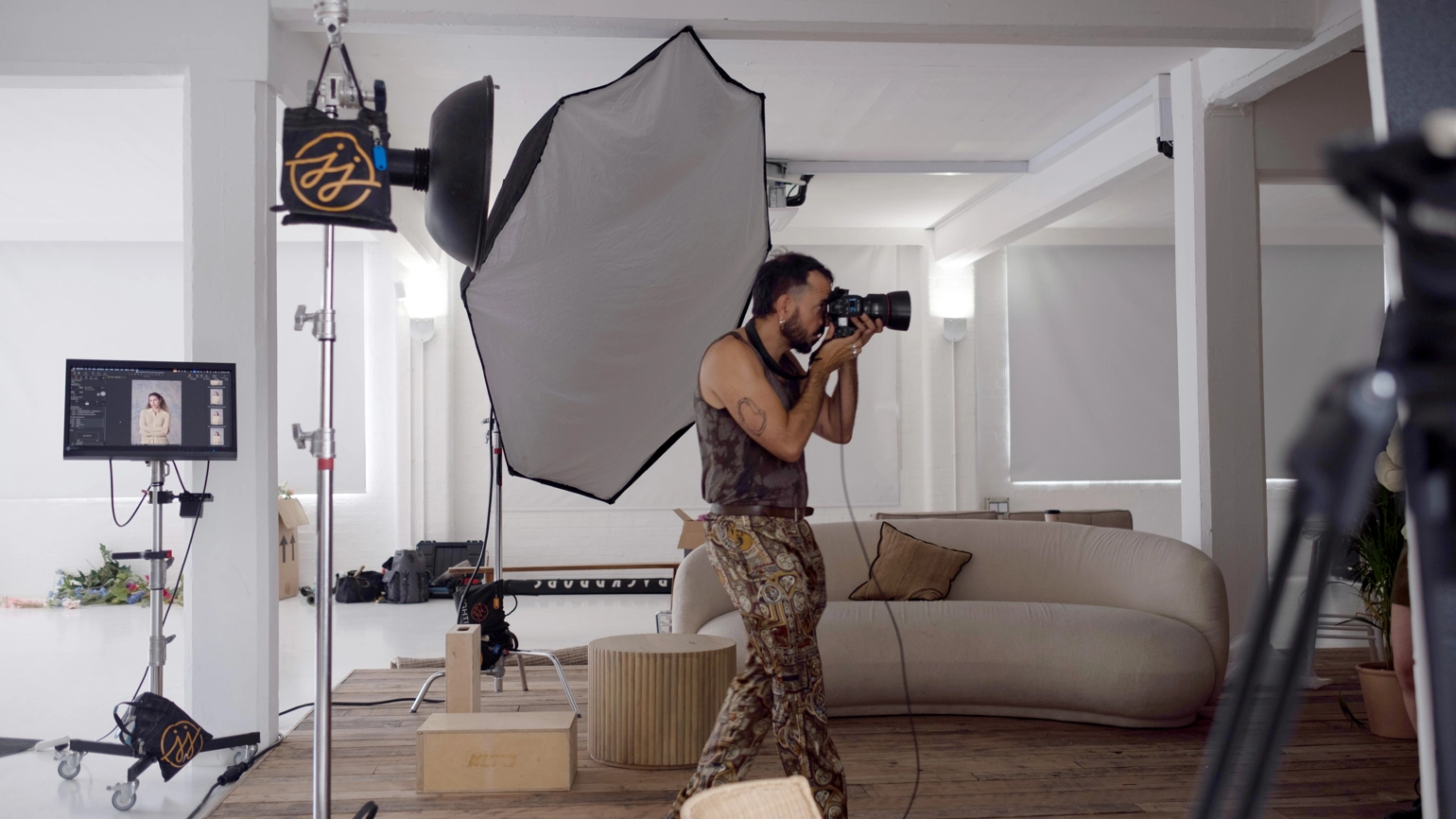
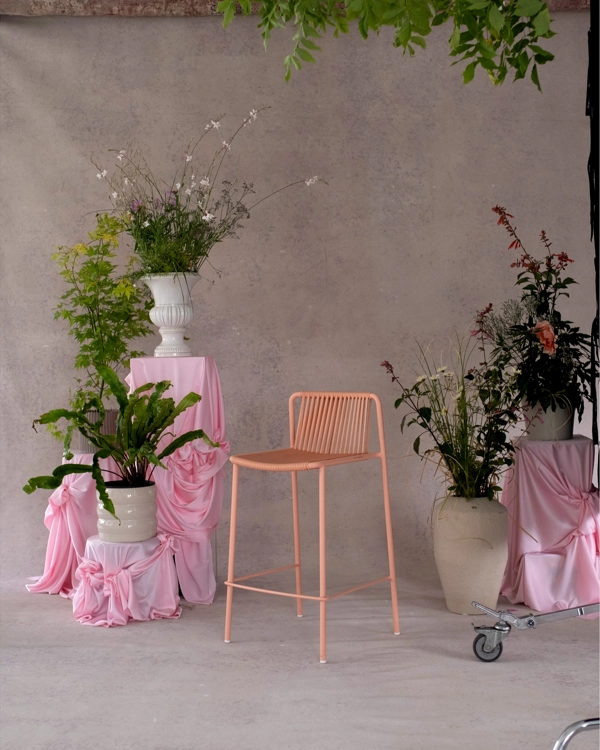
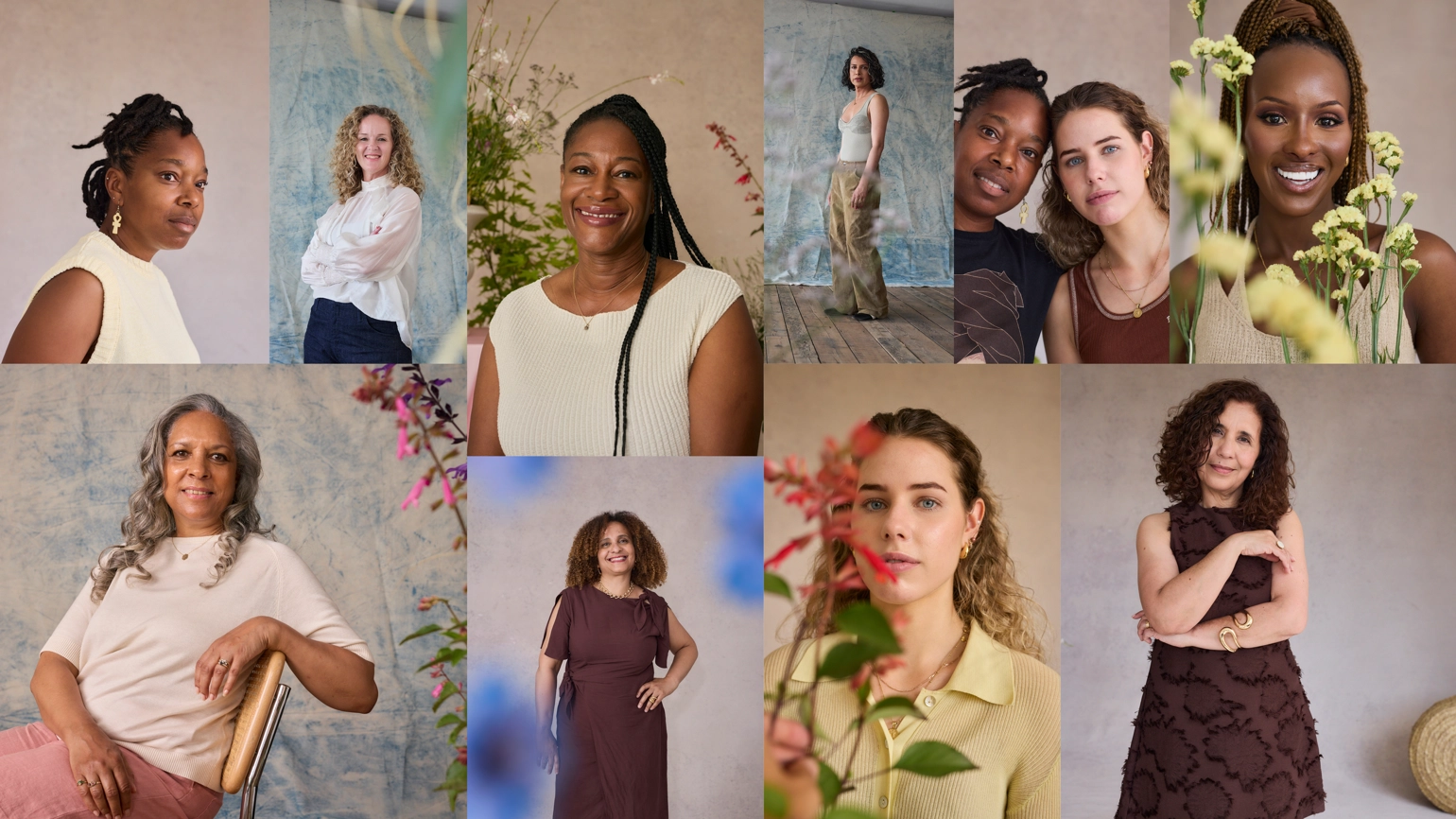
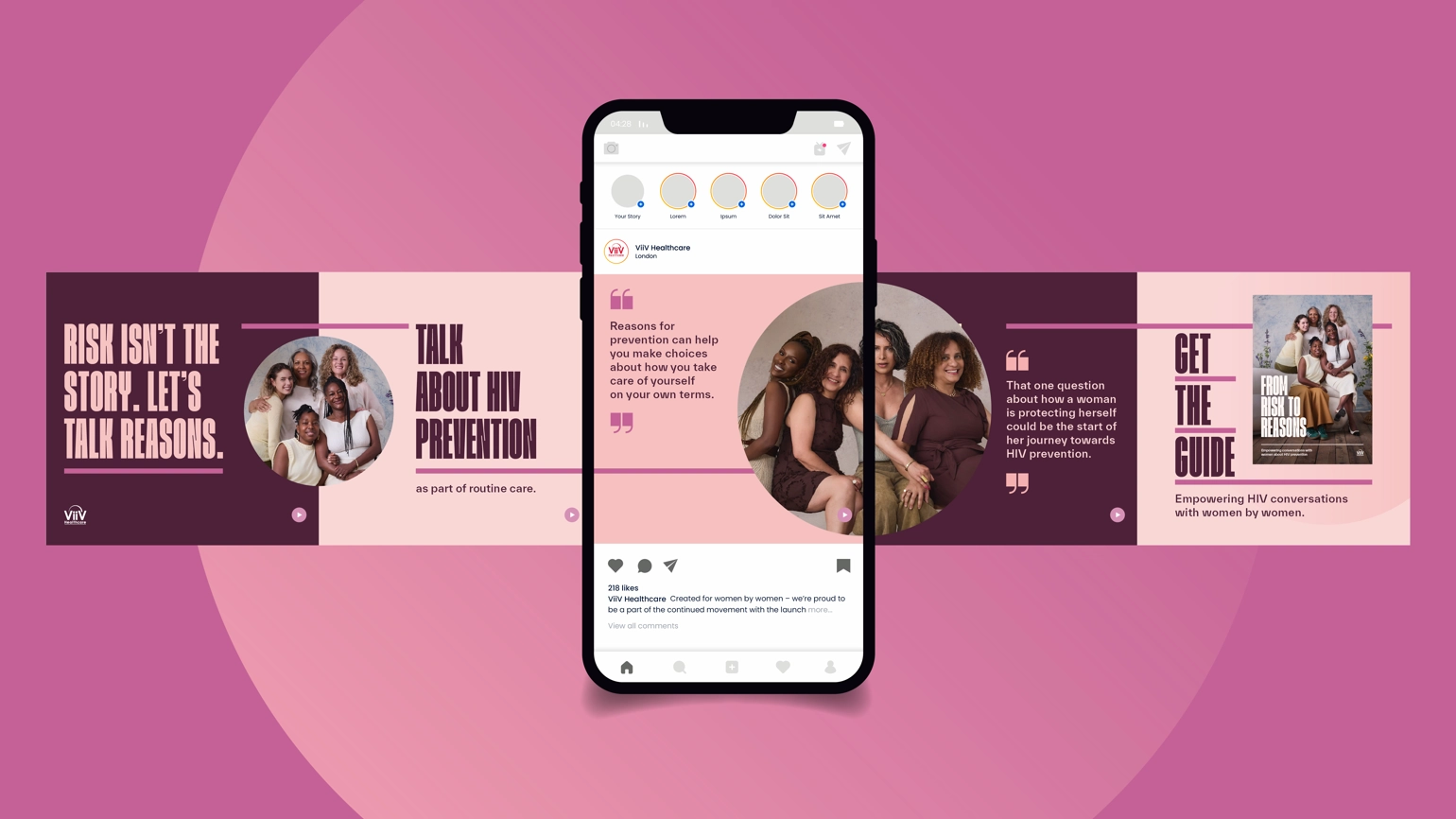
We then brought those voices to the forefront through photography, behind-the-scenes footage and interviews, creating a bank of authentic campaign assets rooted in women’s real lives.
A message that travelled
The work gave women, healthcare professionals and advocates a more human way to talk about HIV prevention. One rooted in real lives, real questions and real reasons. Moving away from assumptions and stigma into a deeper understanding of HIV that instead empowers women.
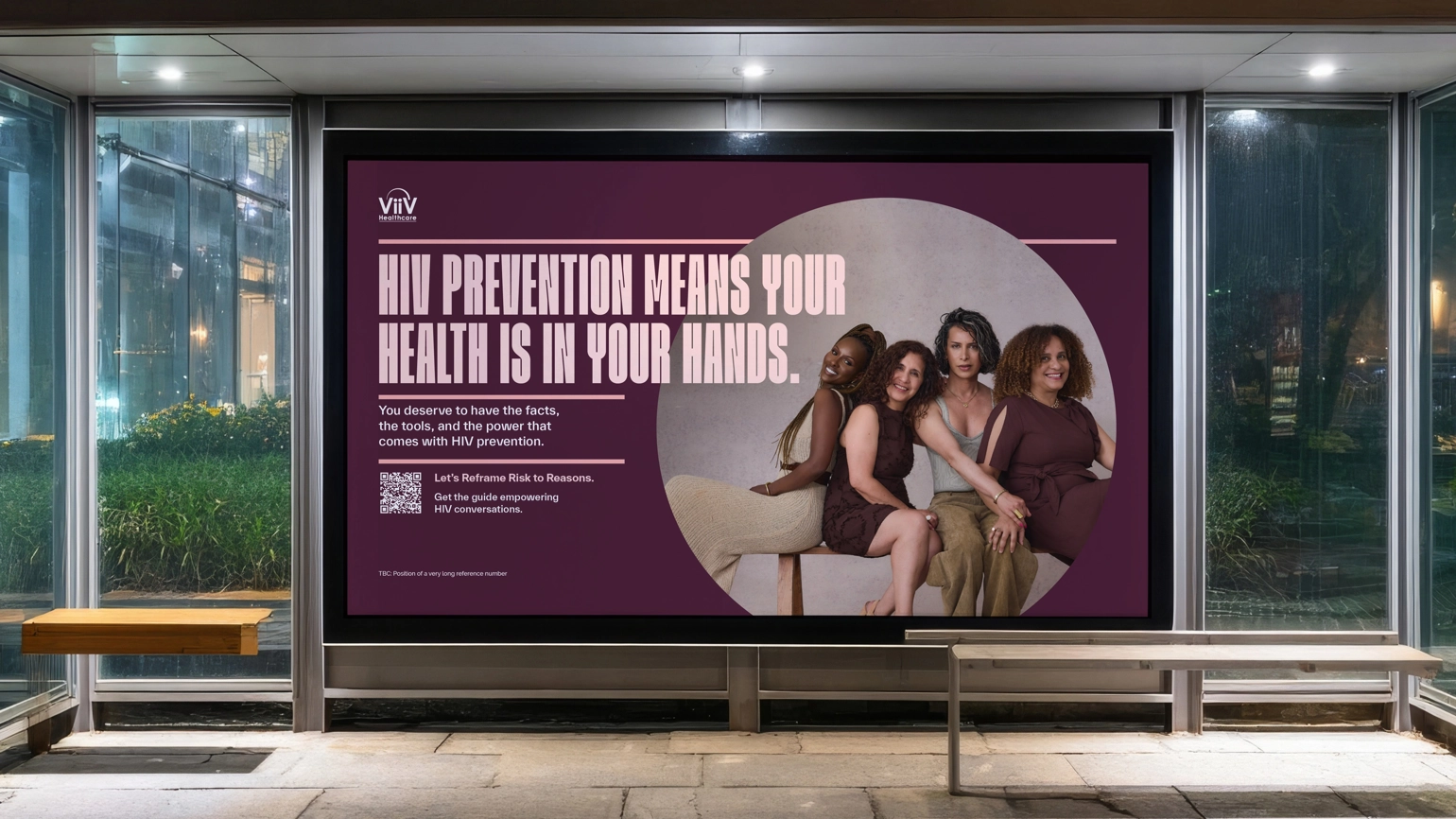
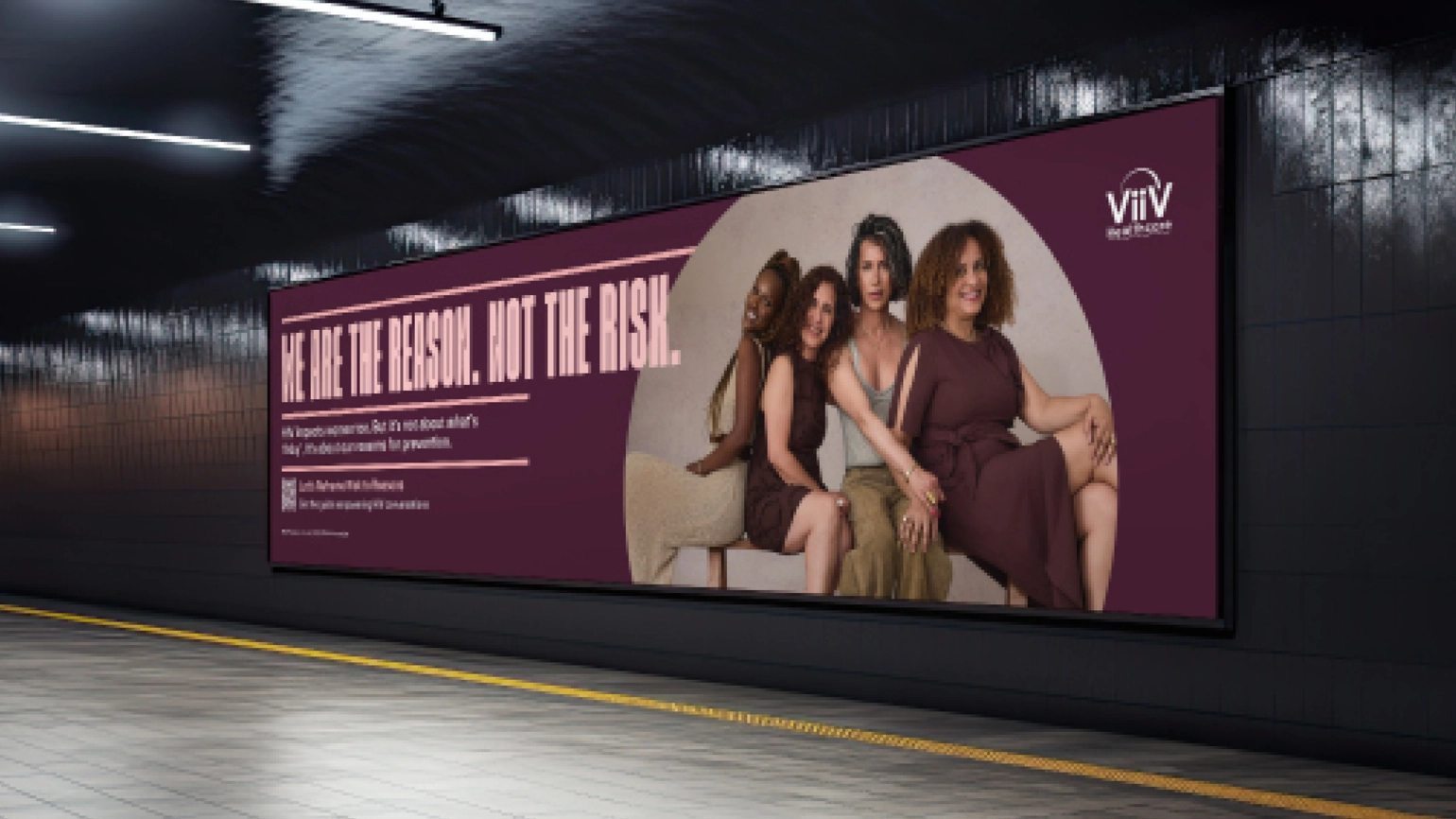
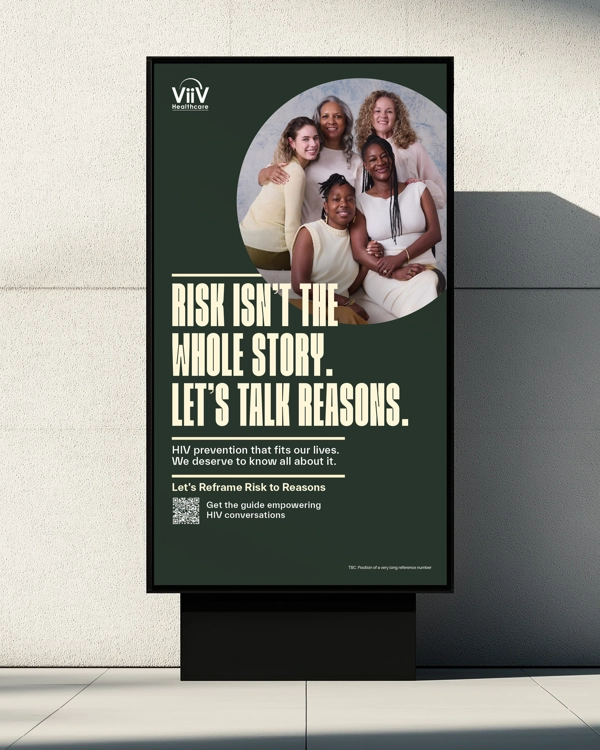
And its influence reached beyond the original brief. The strength of the creative platform, photography and messaging opened up further OOH and social opportunities, with the campaign rolling out across central London and paid social to reach wider public audiences.
The creative was also adopted more broadly by ViiV, supporting wider conversations around women and HIV prevention beyond the initial project. Through authentic storytelling, lived experience and imagery that felt honest and empowering, the work helped lay the groundwork for more open, supportive conversations about HIV prevention in the future.